Non-Metallic Pipe Fabrication

Butt Fusion Welding

We fabricate and install thermoplastic pipework — HDPE, polypropylene, PVDF and uPVC — on site, in any size and length, engineered to your exact plant requirements.

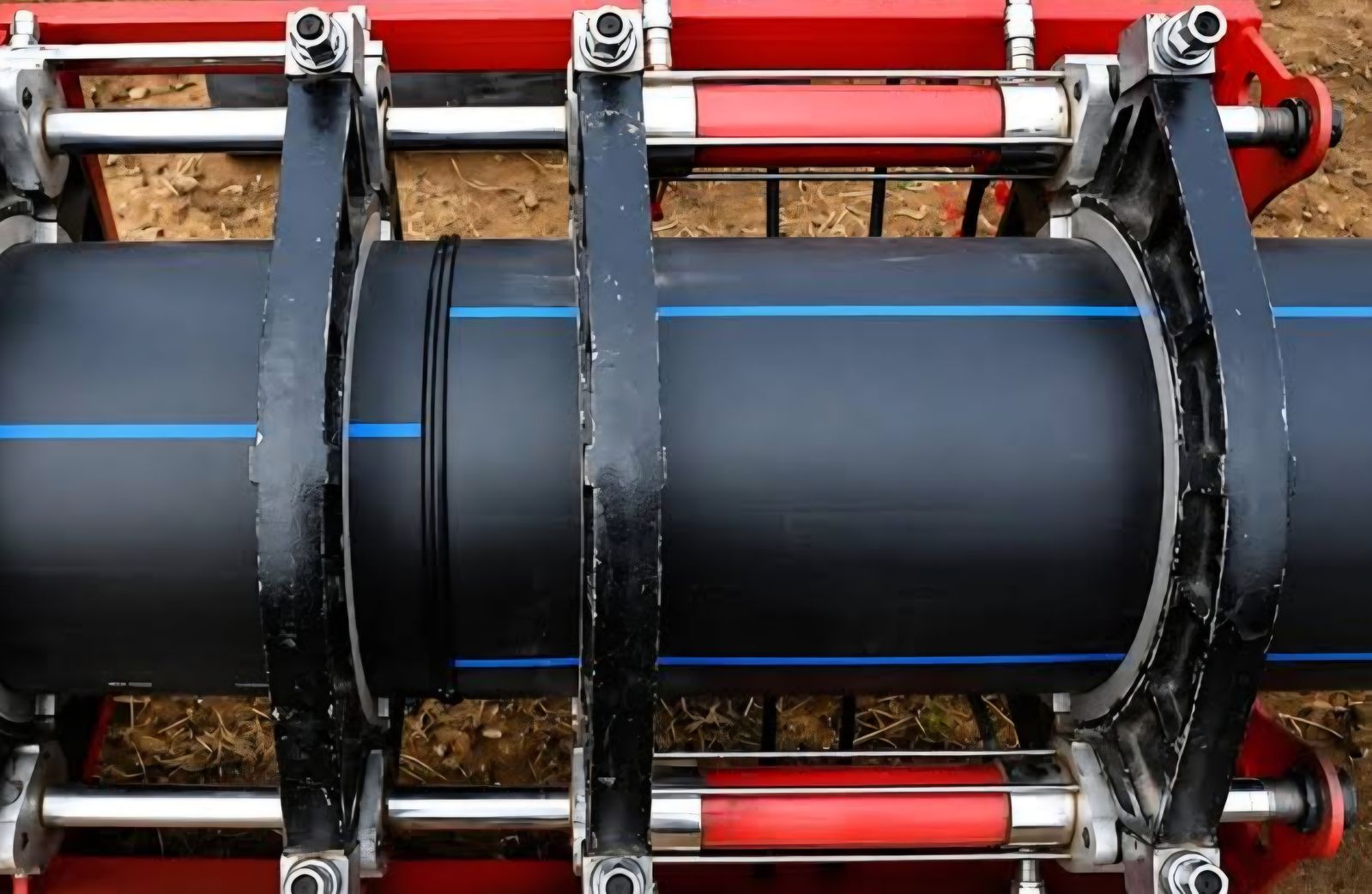
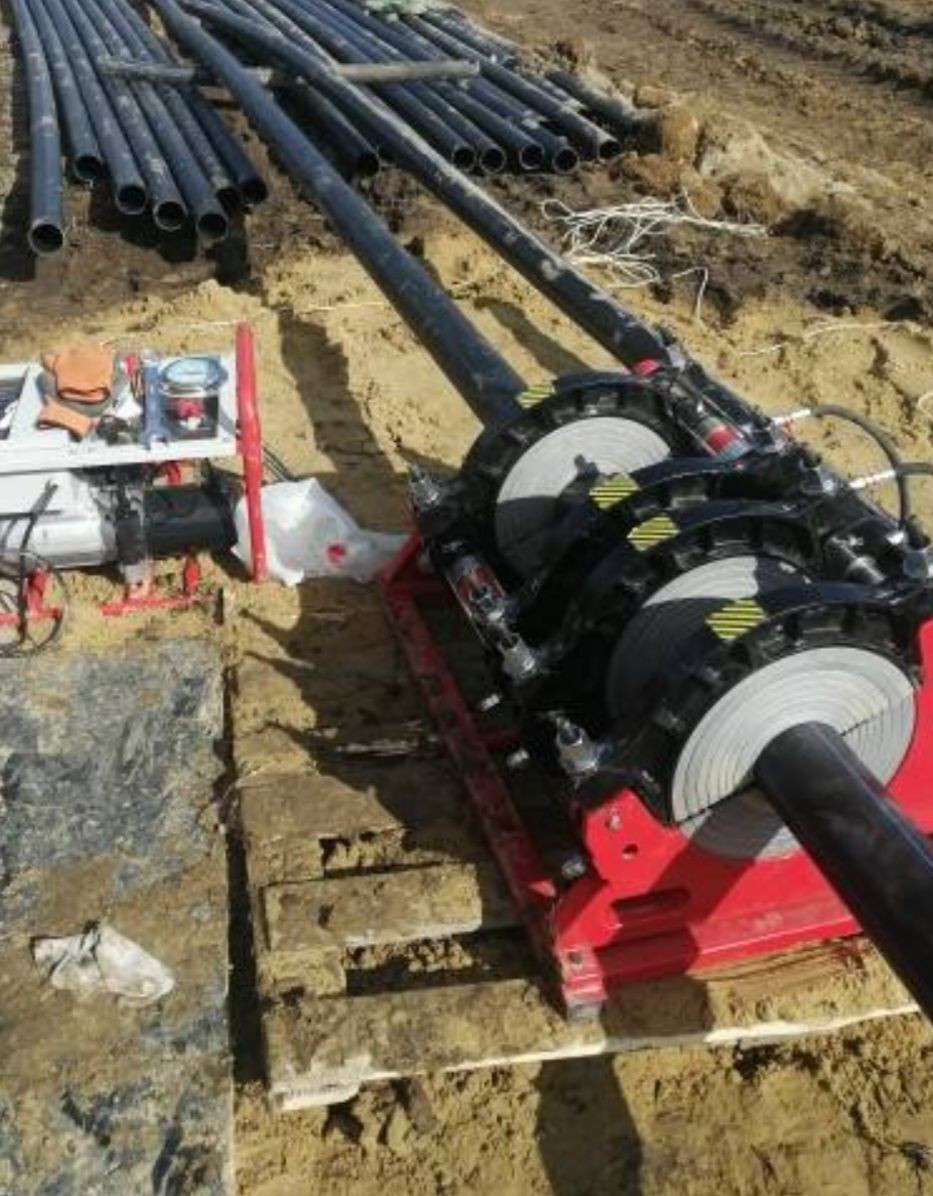
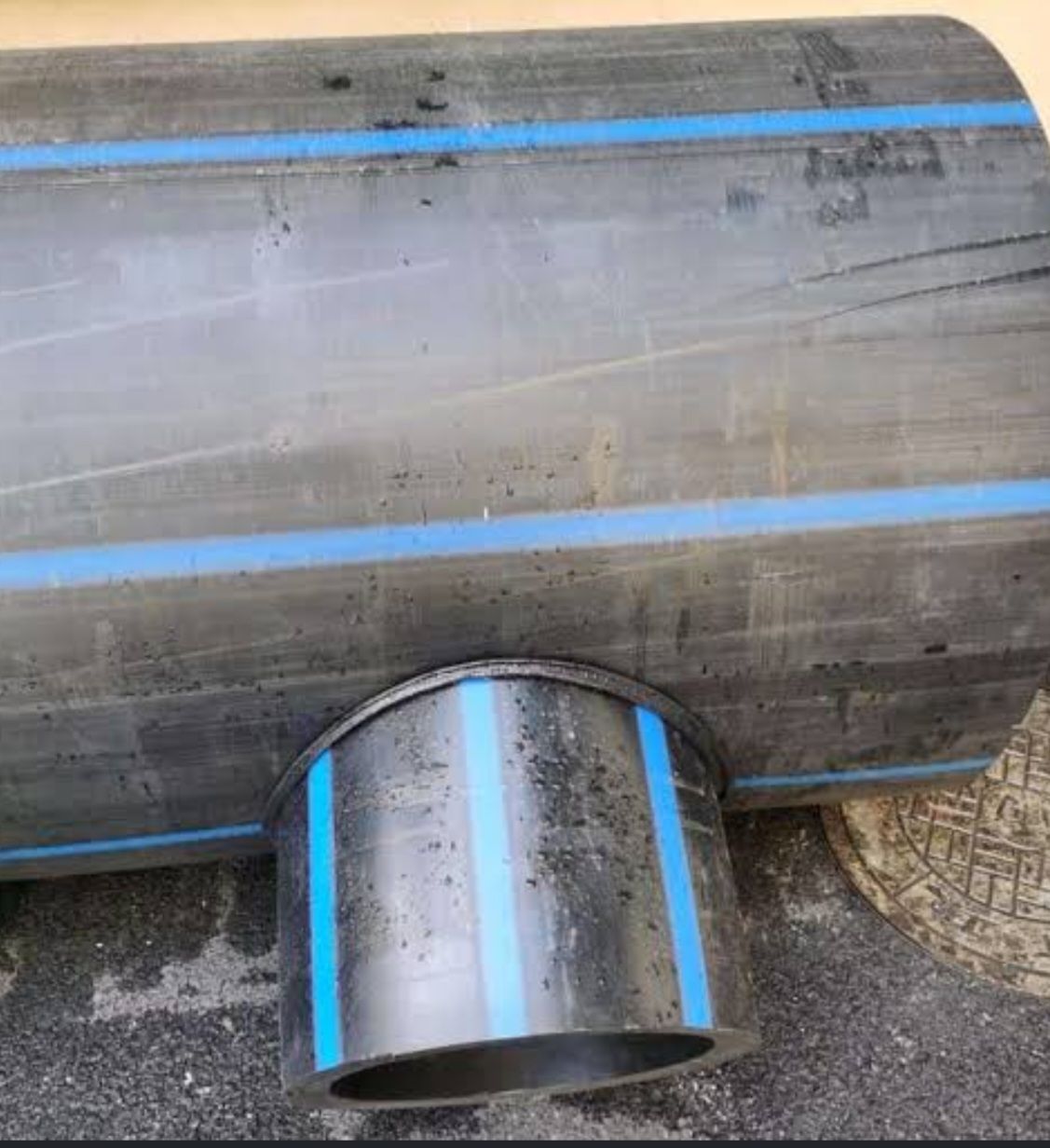
Butt fusion works by heating the two matching pipe ends against a heater plate until the material reaches melting point, then pressing them together under controlled pressure. The two ends fuse into one continuous, homogenous joint that's as strong as the pipe wall itself — no gaskets, no seams, and no weak point for corrosion or leaks to start.

This is our go-to method for replacing rusting and corroding steel pipelines with non-corrosive, acid-resistant alternatives, and for plant upgrades and new pipework installations from the ground up.
On-site butt fusion welding of HDPE pipe
Fabricated HDPE pipe joint

Non-Metallic Pipe Fabrication

Socket Fusion Welding

Socket fusion welding covers the fabrication and installation of all types of non-corrosive pipework, including HDPE, polypropylene, PVDF, LDPE and uPVC, built to your needs and requirements.

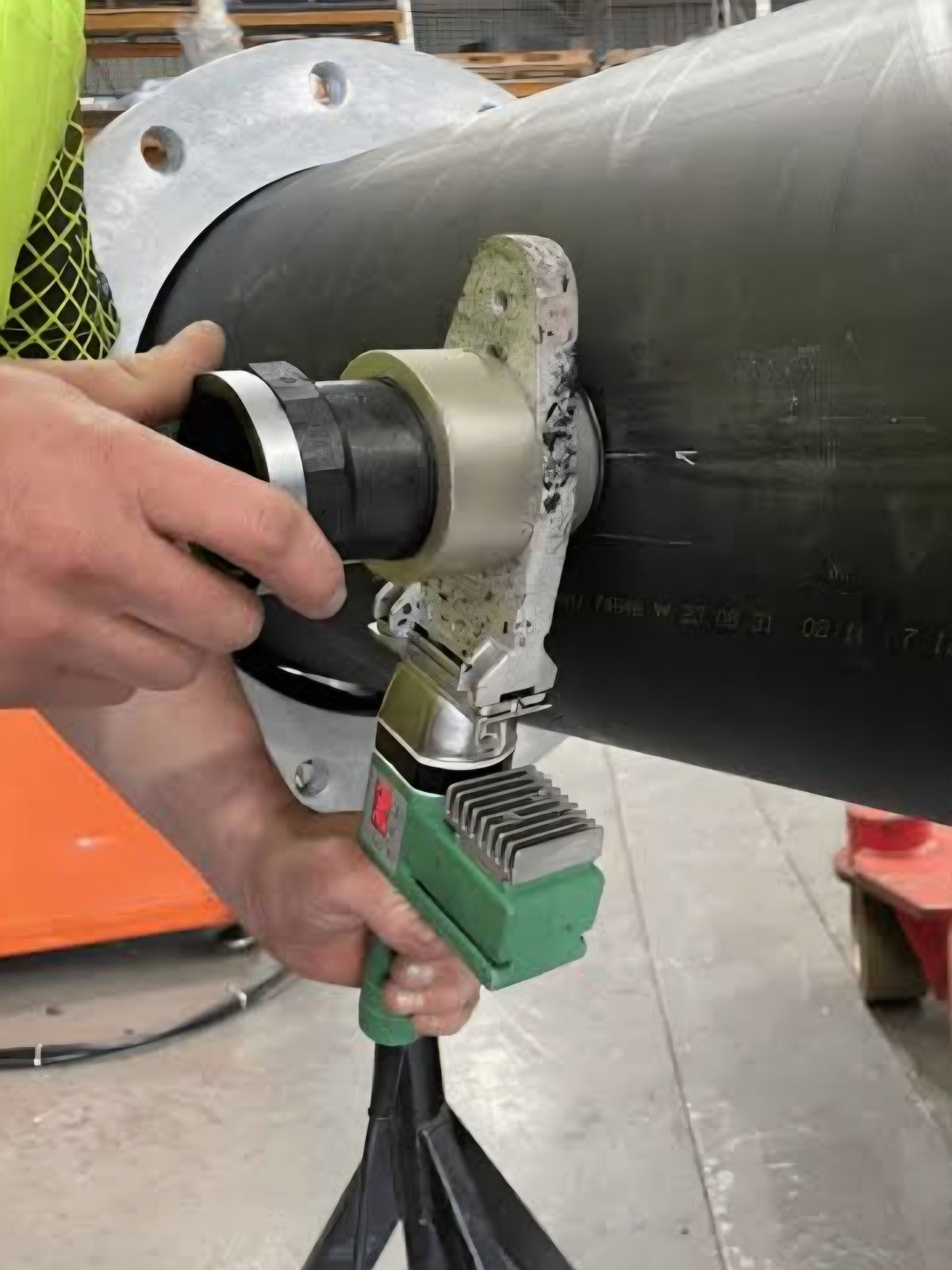
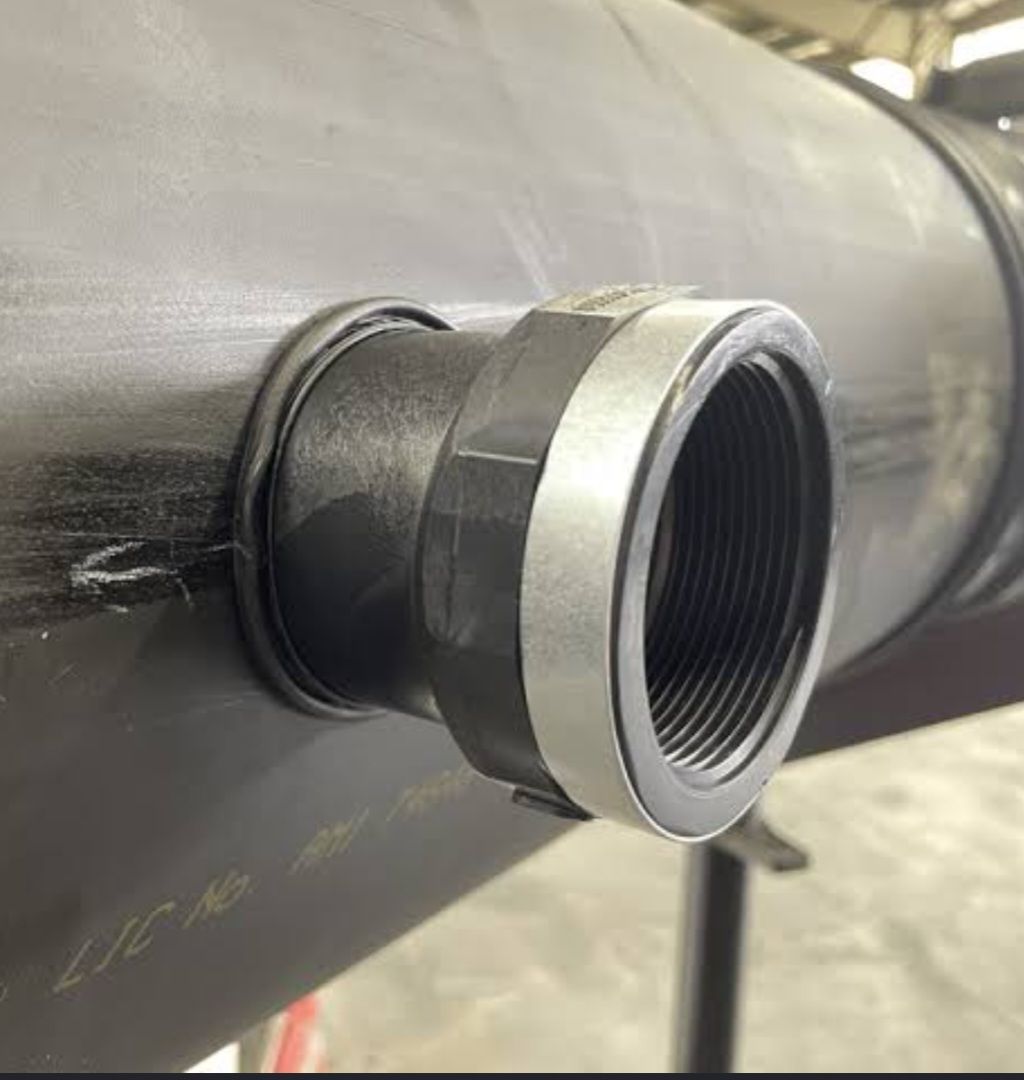
A heated tool simultaneously melts the outside of the pipe spigot and the inside of the matching socket fitting. The two molten surfaces are then pushed together and held in alignment while they cool, forming a permanent, leak-tight bond. It's the preferred method for smaller-bore branch connections, tees, couplings and flange adaptors, where butt fusion equipment can't easily reach.

As with all our welding methods, this specialises in replacing rusting and corroding steel pipes with non-corrosive, acid-resistant pipe, and supports upgrades of all types of plants and new plant pipework.

Technician performing socket fusion welding on HDPE pipe with flange fitting
Threaded pipe coupling fitting on HDPE pipe
HDPE pipe tee fitting, water-rated blue stripe

Tank Fabrication

Extrusion Welding

We fabricate all types and sizes of non-corrosive storage and mixing tanks from HDPE, polypropylene and fibreglass, built to your specifications.

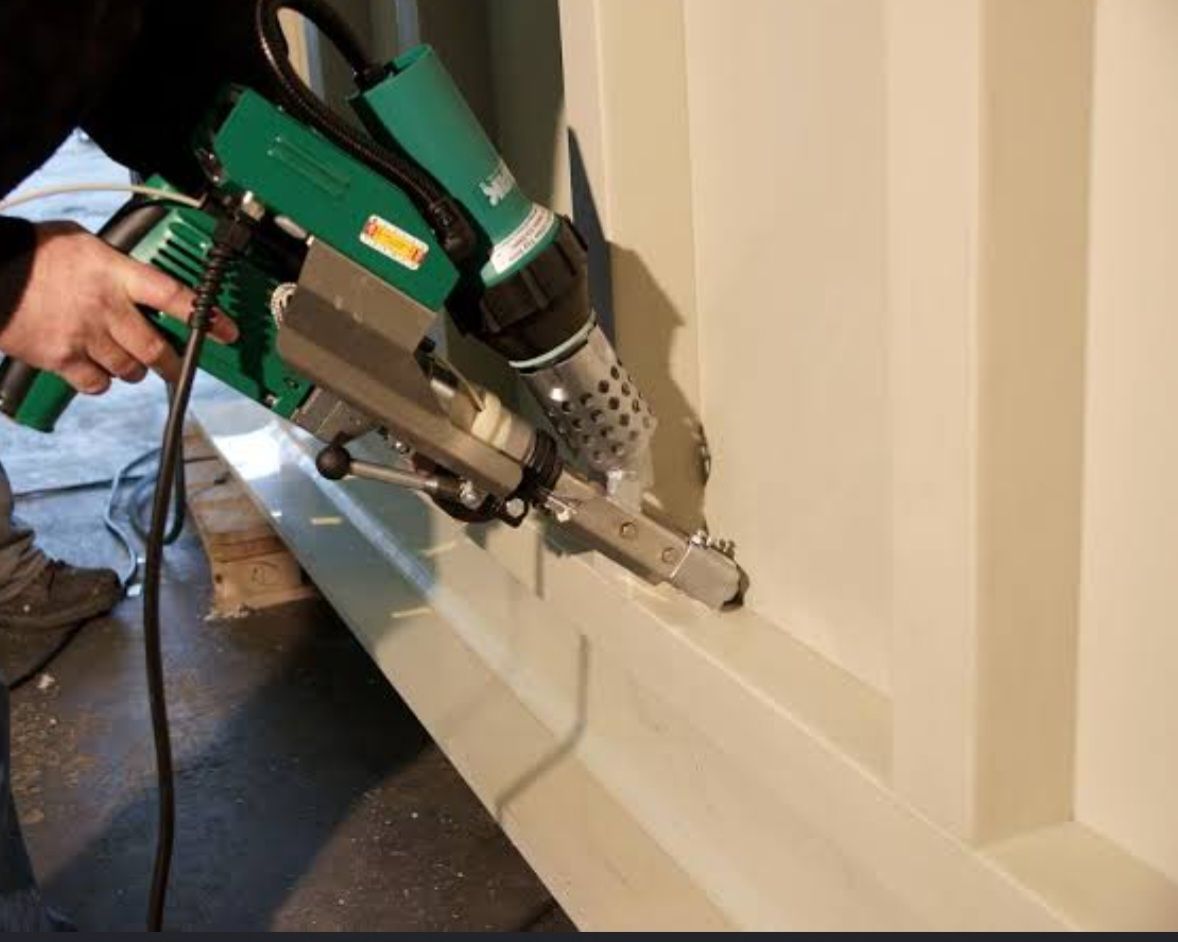
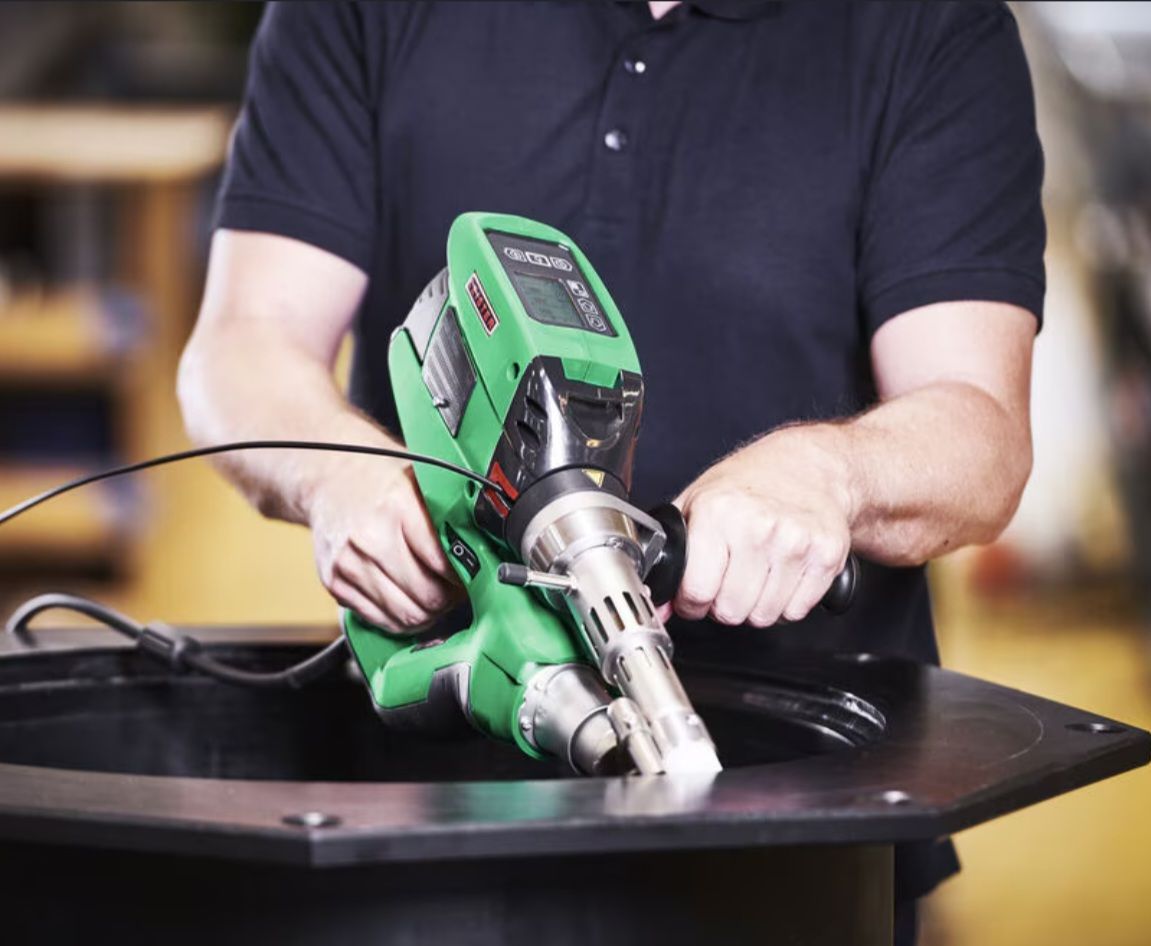
Extrusion welding uses a hand-held extruder to deposit a continuous bead of molten parent material directly along the seam between two panels, fusing them into one solid, homogenous structure. This method increases the strength of every weld and creates a solid bond between panels — it's the method of choice for large flat surfaces and complex tank geometry that fusion tooling can't reach.

We handle both refurbishment of old lined tanks and fabrication of brand-new tanks, giving you the option to repair rather than replace where the existing structure still has life left.

Extrusion welder fusing a corner seam on a tank panel
Technician using extrusion welder on a tank rim

Corrosion Protection

Rubber Lining

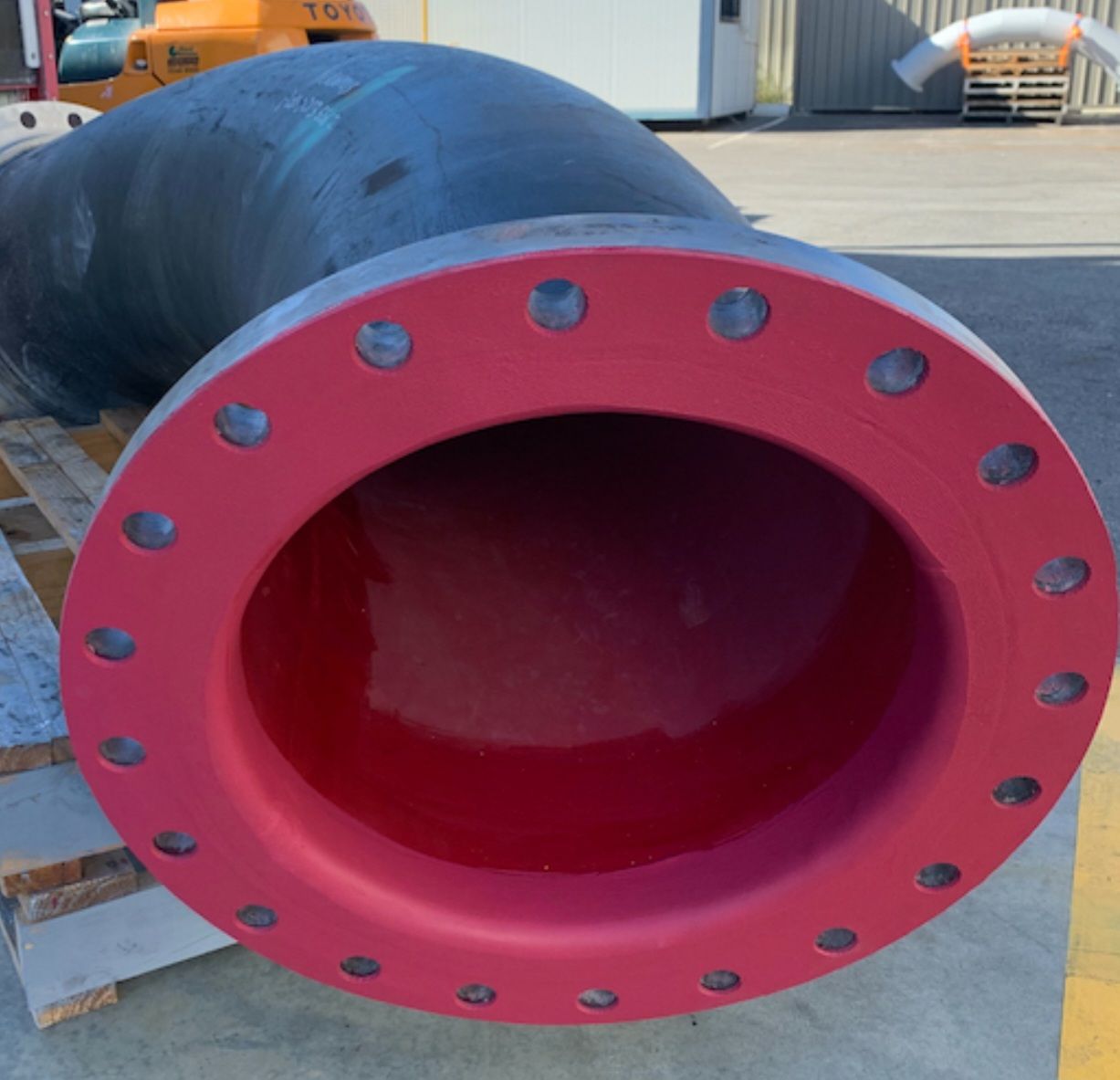
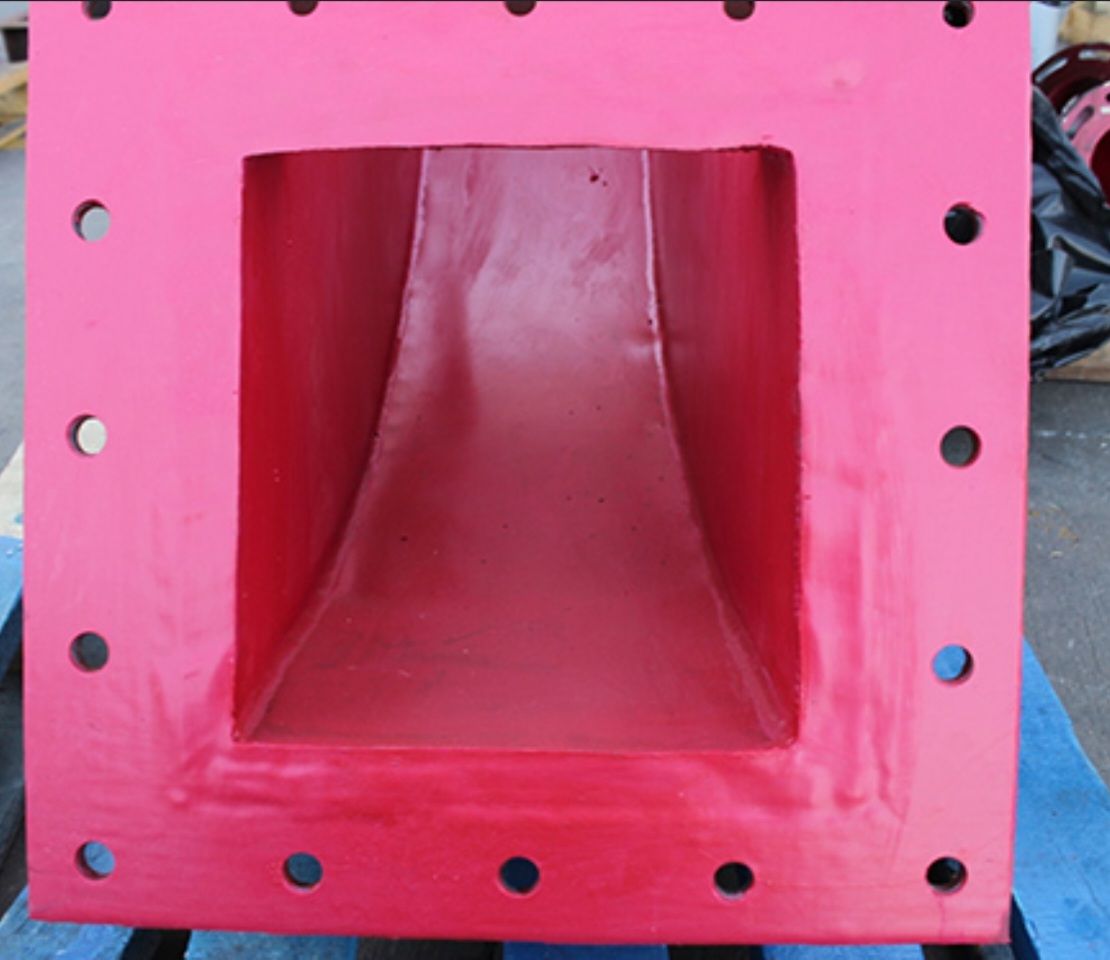
Rubber lining gives you the option to keep your old and new steel tanks and pipes in place, while we create an acid- and wear-resistant barrier on the inside.

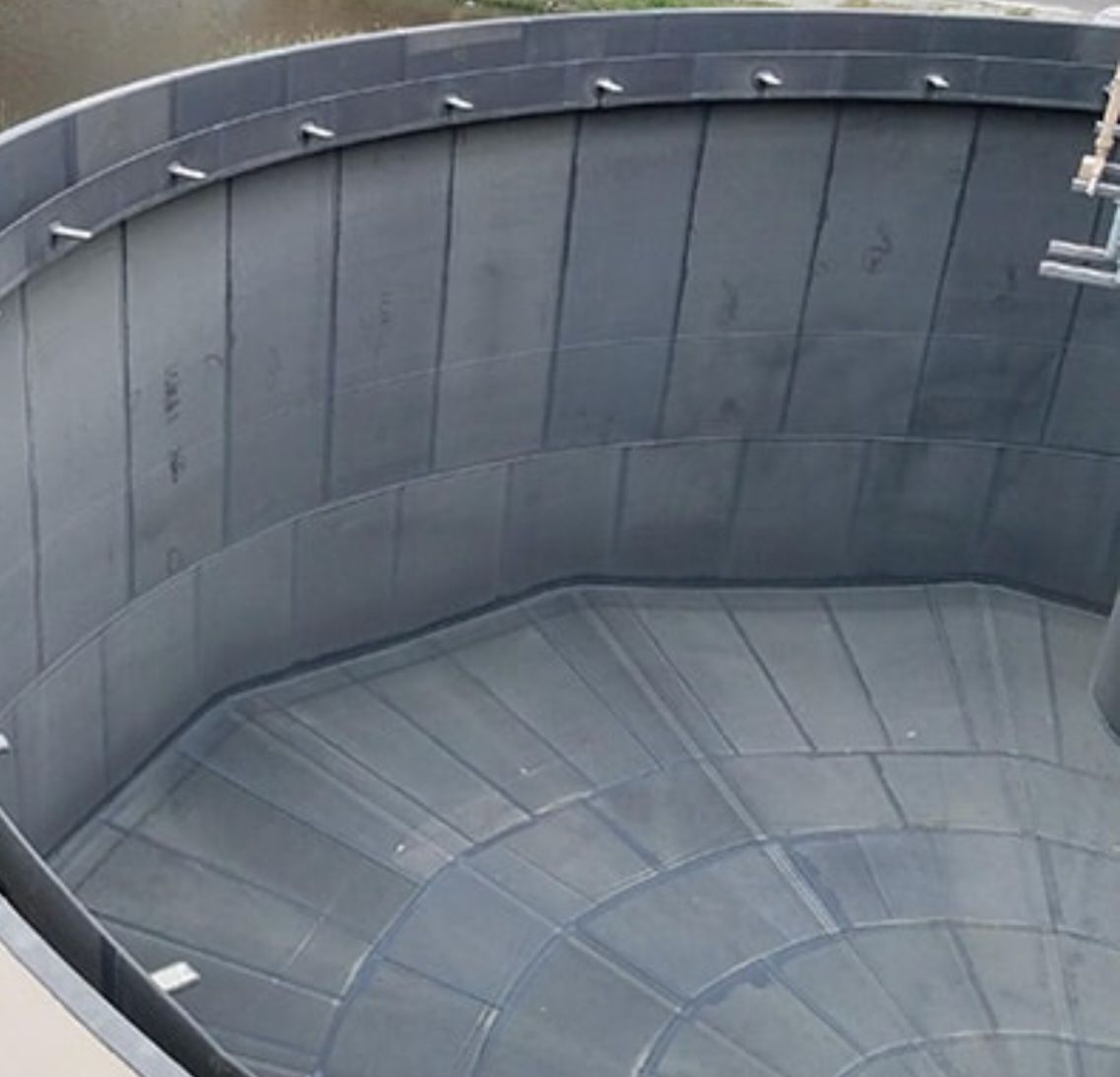
A rubber compound is bonded directly to the internal steel surface and cured to form a seamless, chemically inert lining. The steel keeps doing its job as the structural backbone, while the rubber takes the chemical and abrasive wear that would otherwise cause the base metal to corrode — giving maximum protection inside the tank or pipe without the cost of full replacement.

On the outside, we apply a 3-stage chemical-resistant coating system to complete the barrier, so the structure is protected from both directions.

Interior view of a rubber-lined tank showing seamed panel lining
Rubber-lined pipe flange cross-section
Rubber-lined rectangular duct section with bolted flange

Corrosion Protection

Fibreglass & Epoxy Coatings

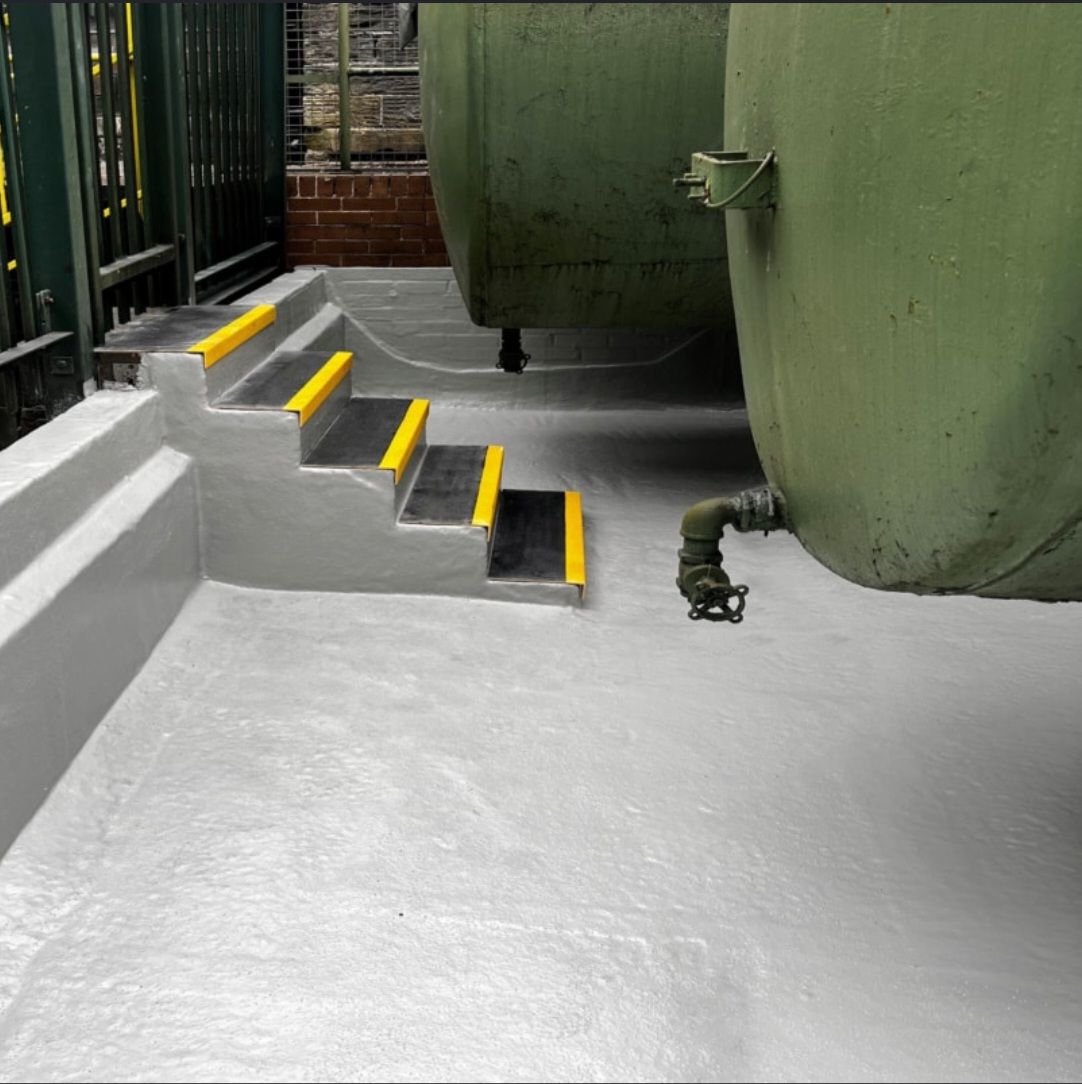
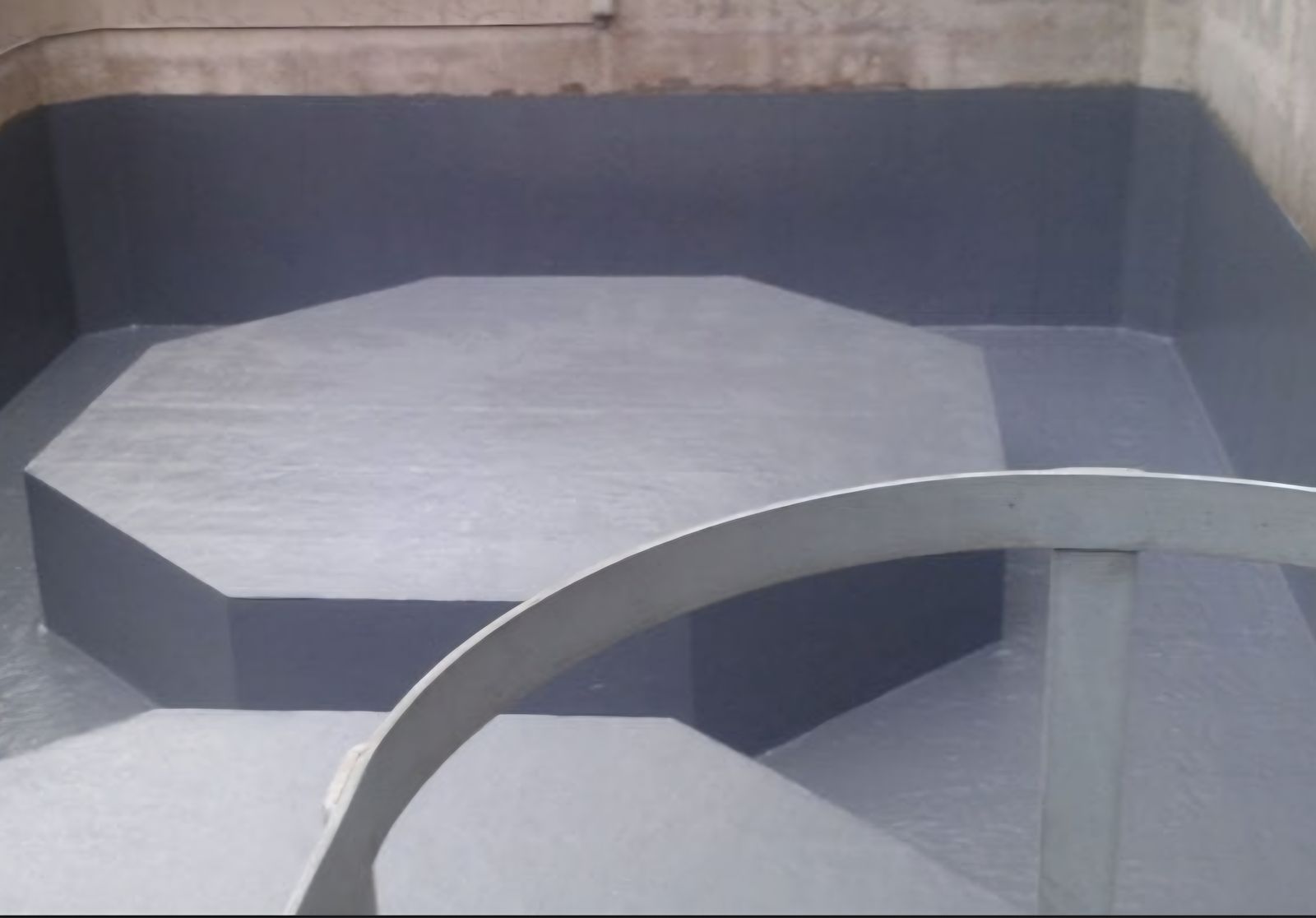
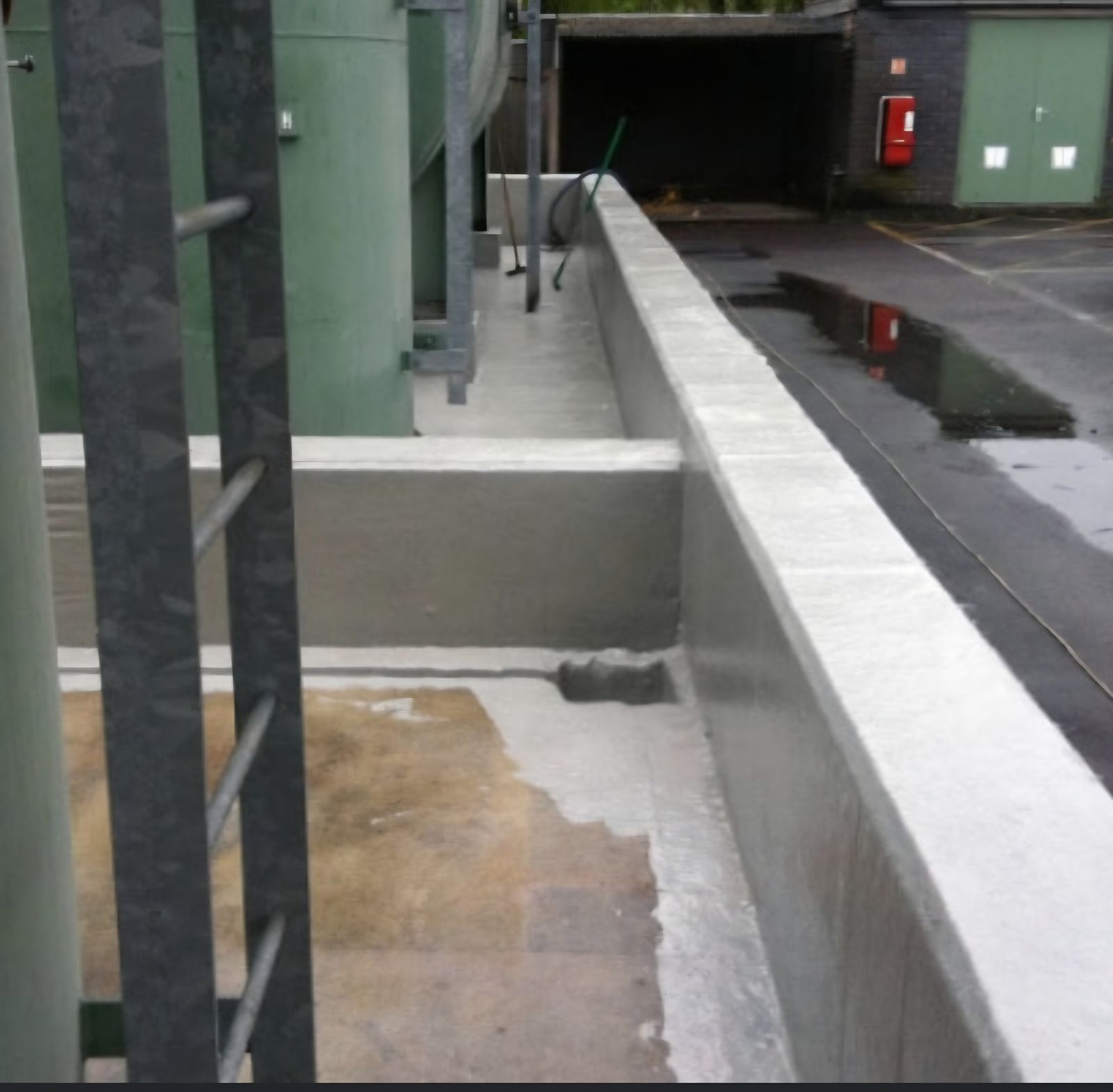
We give clients a unique way to prevent a chemical spill from pipework, a holding tank, or a bund wall section, by applying a chemical-resistant fibreglass-reinforced epoxy coating to the surface and walls of the structure.

The system combines a woven fibreglass reinforcement layer with an epoxy resin matrix, laid up directly onto concrete or steel to form a tough, seamless laminate. Once cured, it acts as a secondary containment barrier — exactly the kind of protection regulators expect around bund walls and chemical storage — stopping spills from reaching soil or groundwater.

These coatings are UV resistant and acid resistant, with the capability to withstand certain operating temperatures, making them suited to both indoor process areas and exposed outdoor bunds.

Coated concrete bund floor and steps beneath storage tanks
Interior view of a coated concrete bund with raised platform
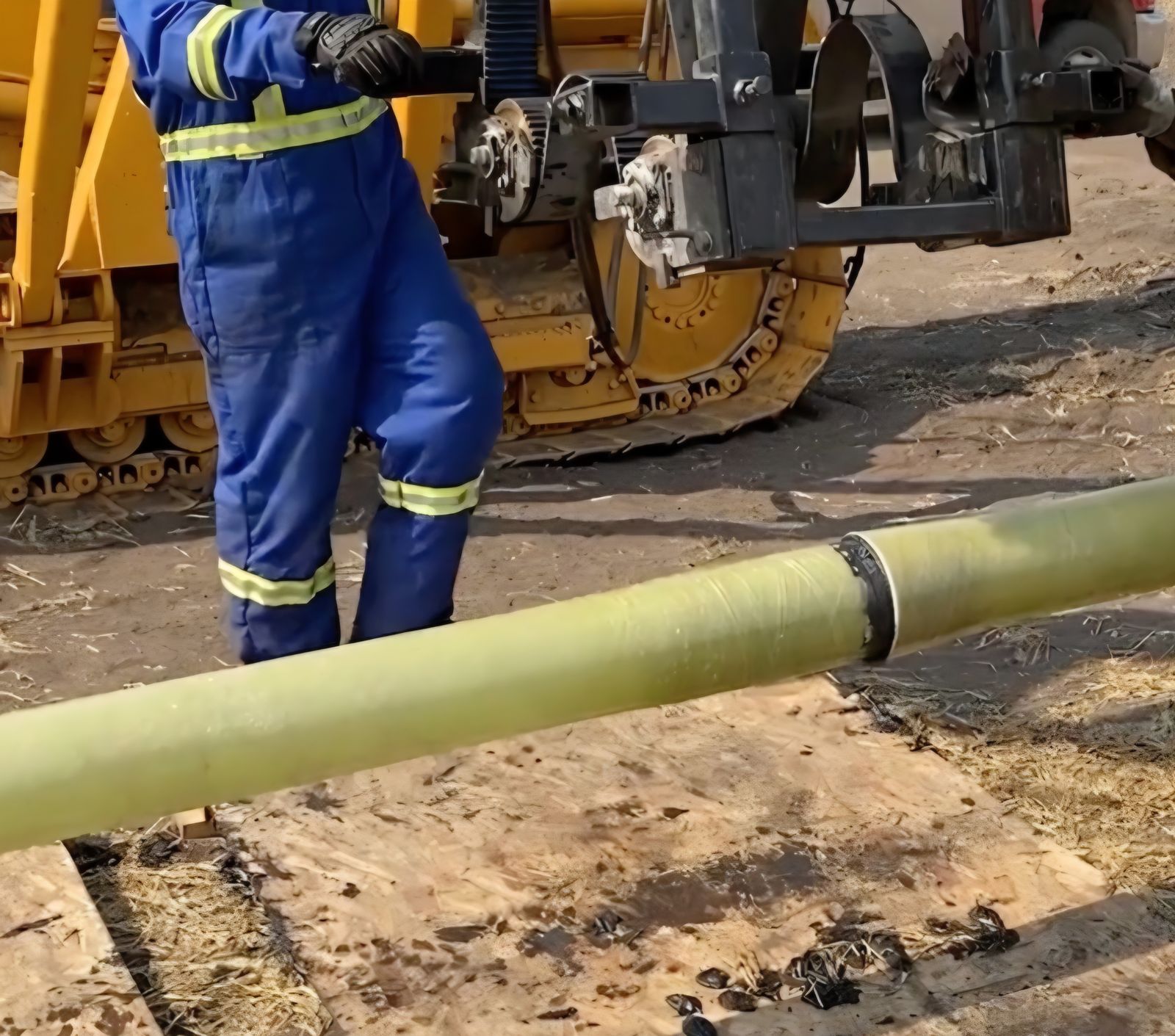
Fibreglass pipe section on site near excavation works
Coated concrete bund wall walkway alongside a facility

Plant Equipment

Motors, Gearboxes, Valves & Actuators

For our clients we offer the knowledge and expertise to be a one-stop solution for all their plant needs — from non-corrosive pipes and tanks, right through to the mechanical drive and control equipment that keeps a process running.

This covers both the supply of new units and the refurbishment of existing motors, gearboxes, valves and actuators — including bearing replacement, shaft alignment, seal replacement, and general mechanical reconditioning — so you're not managing multiple suppliers for piping, tanks, and rotating equipment separately.

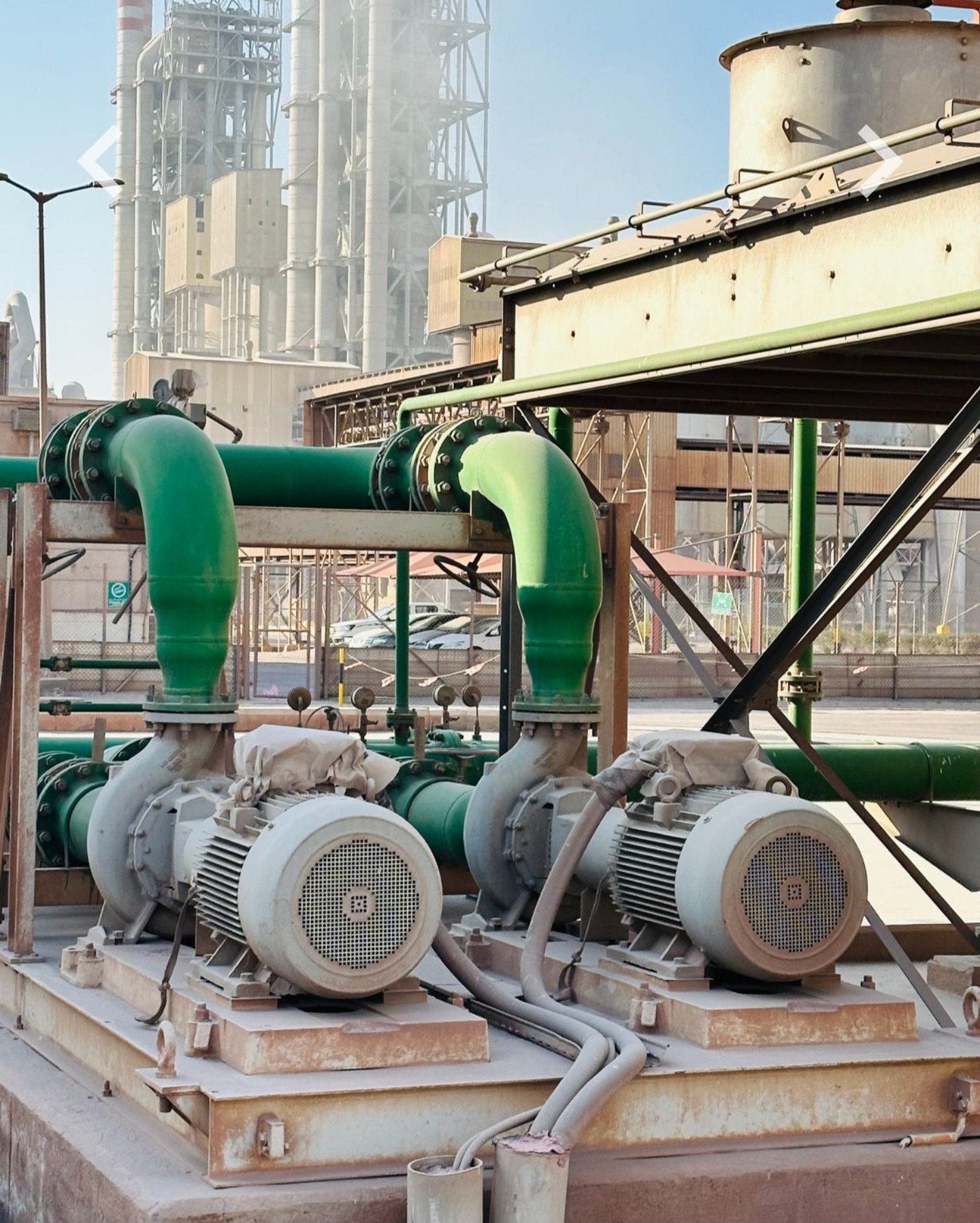
Twin motor and pump units on-site at an industrial plant with green non-metallic pipework
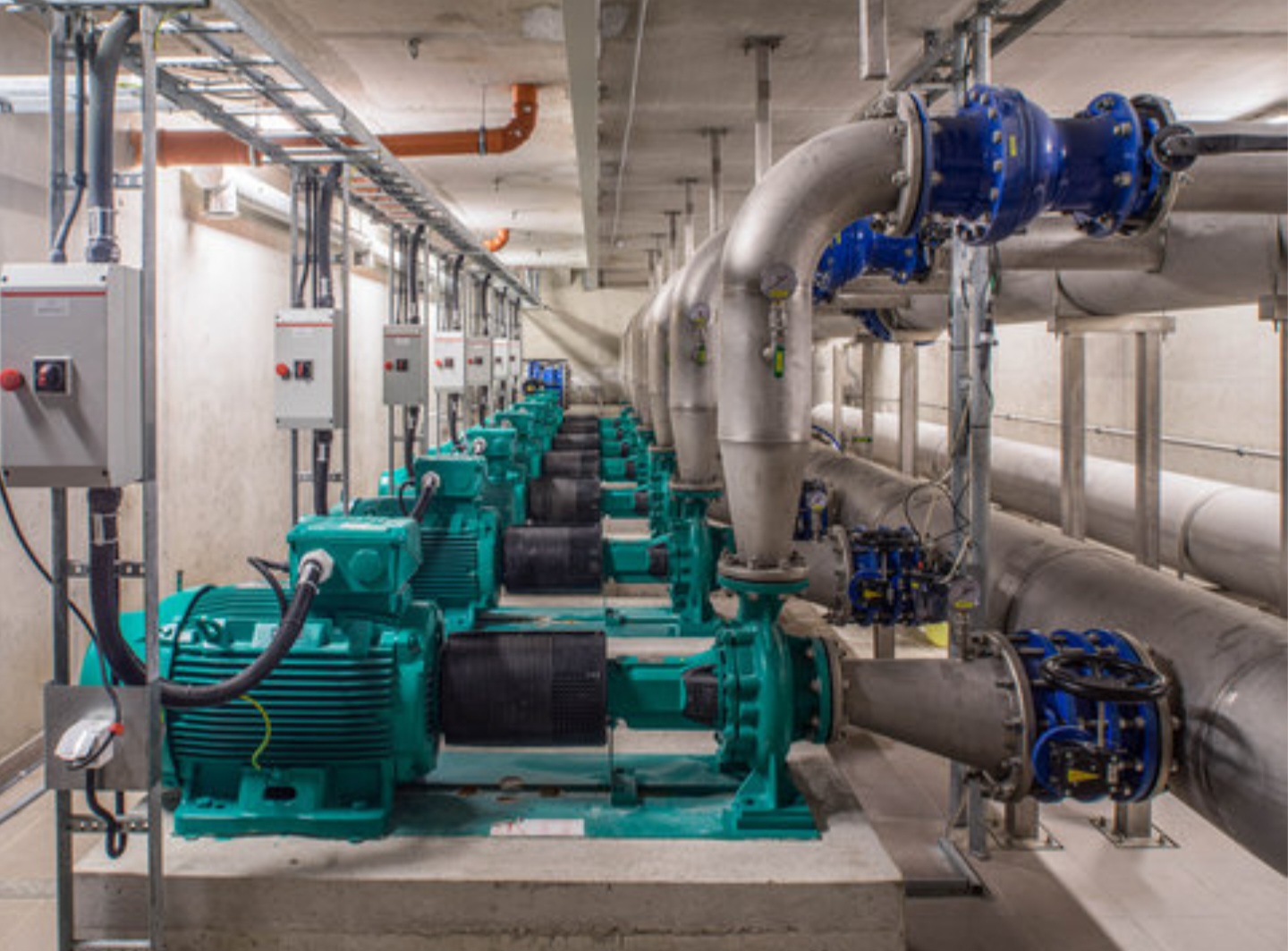
Row of motor and pump units installed in a plant pump room

Ready to Start?

Let's Talk About Your Plant

Tell us what you're working with and we'll come back with a practical, cost-effective solution.

Request a Quote